
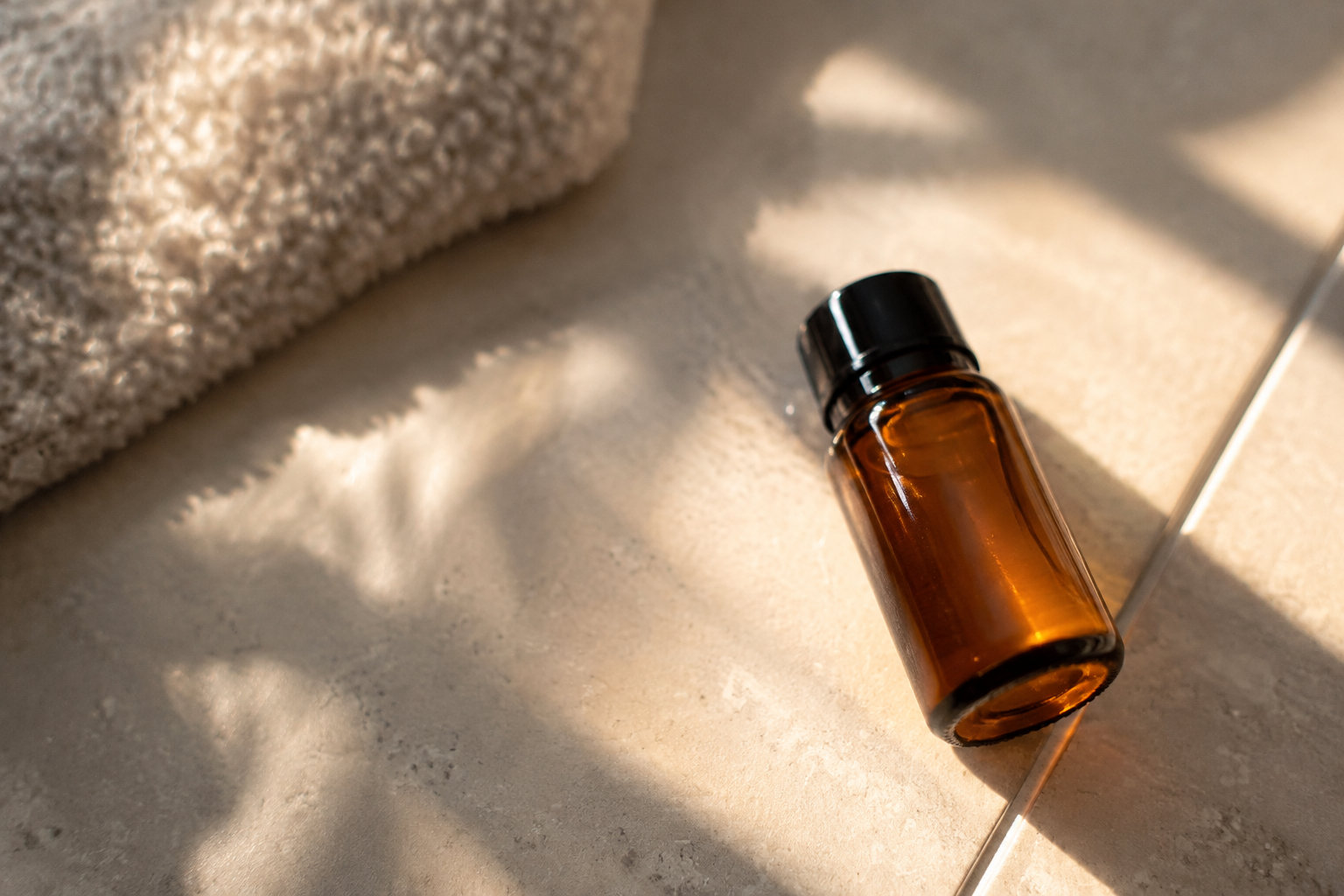
- Keep poppers upright in a cool, dark, dry cupboard, away from sunlight and heat.
- You don’t need the fridge, and the freezer can crack the bottle.
- Screw the cap on straight after each use, because an open bottle can go off within a few hours.
- An opened bottle usually lasts three to four weeks.
- Throw the bottle away if the liquid turns brown or smells of rotten eggs.
Table of Contents
- Where to keep poppers so they stay potent
- Fridge or freezer: what UK advice actually says
- How long poppers last once the seal is broken
- How long an unopened bottle keeps, and what its label tells you
- Signs that a bottle has gone off
- How to dispose of old or leaking poppers
- FAQ
A bottle of poppers left on a sunny windowsill or near a radiator loses strength faster than one kept in a cool, dark place.
So where should you keep it, and does the fridge help? This article explains where to store poppers, how long they last sealed and opened, and how to spot a bottle that has gone off.
Where to keep poppers so they stay potent
Cool, dark and dry is the everyday rule
Keep your poppers in a cool, dark, dry cupboard, away from sunlight, radiators and any other heat. Heat and light break the liquid down, so a bottle left on a sunny windowsill or near a heater loses strength faster.
Damp matters too. Moisture turns alkyl nitrites into alcohols, so skip the bathroom shelf. Keep the bottle away from any naked flame, since poppers are highly flammable.
Upright, capped and out of reach
Stand the bottle upright every time you put it away. A bottle lying on its side can leak at the cap and lose liquid over time.
After each use, screw the cap on firmly, straight away. A loose cap lets the liquid leak out and the vapour escape, so the bottle loses strength each time it is left open.
Keep every bottle locked away from children and pets. Some bottles have a child-safety cap, but not all do, so never rely on the cap alone.
Keep the bottle away from sparks, flames and anything hot, because the liquid is highly flammable. For the risks, see strong poppers effects, risks and UK buying advice.
Fridge or freezer: what UK advice actually says
Fridge: useful or unnecessary?
A fridge is not necessary to keep poppers fresh. The main risk is condensation: when a cold bottle returns to room temperature, moisture can form inside it.
Some sellers still recommend the fridge, so the advice is mixed. Because of that condensation risk, a cool, dark cupboard is the safer choice for most readers.
Sources split on the fridge, and only the safety advice gives a time limit.
| Criterion | UK safety advice | Sellers |
|---|---|---|
| Fridge | Not needed, because condensation can form inside a cold bottle at room temperature | Recommended, or a cool, dark cupboard |
| Life in the fridge | A couple of weeks if stored correctly | Fridge or cupboard, bottle tightly closed |
| Bottle left open | Can go off within a few hours if not closed properly | Keep the bottle tightly closed |
Freezer: no proven benefit
No reliable UK advice recommends the freezer to make poppers last longer, because there is no proven benefit. Freezing can crack the bottle or damage its seal. A cracked bottle can leak, and a damaged seal lets air in, so the product loses its strength faster. Keep it in a cool, dark cupboard, upright and tightly closed, which is the safer choice.
How long poppers last once the seal is broken
Once opened, a bottle usually stays good for three to four weeks. Its strength fades slowly, so an older opened bottle is weaker than a fresh one.
Leaving it open is the real risk. If the cap is off or loose, a bottle can go off within a few hours. Screw the cap back on right after each use.
Put the cap back on as soon as you have finished, before you set the bottle down. Each time it is open, air and moisture get in.
Never blow into the bottle, not even to clear the neck. Moisture from your breath gets into the liquid.
How long an unopened bottle keeps, and what its label tells you
An unopened bottle has no single shelf life. Estimates run from one to three months when refrigerated and kept out of sunlight, against several years in original packaging kept cool. Some products keep six months or longer.
So don’t trust one figure. If your bottle contains propyl nitrite, read propyl poppers guidance for the UK before relying on any date.
Check the label first, because it gives the date and storage rules for your exact bottle. Look for:
- A sell-by or use-by date, which many UK and EU products carry.
- Storage instructions, such as keeping the bottle upright in a cool, dark place away from sunlight.
- A batch number and manufacturing date, as on Iron Fist Original bottles.
Signs that a bottle has gone off
Losing strength over time has no reliable test. You cannot check it by smell, by looking at the bottle, or by the effect it gives.
Moisture can turn alkyl nitrites into alcohols, and that change does not show. A bottle can look and smell normal and still be weaker. So read the date on the label, not the smell.
Two signs tell you a bottle has gone off, so check for them each time you open one:
- The liquid changes colour and turns brown. This means it has started to break down.
- It smells sharply of rotten eggs, like sulphur.
- If you notice either sign, throw the bottle away. Do not keep it for later use.
How to dispose of old or leaking poppers
Spills and skin contact
Spilled some? Keep every flame, cigarette and heater well away while you clean it up. Poppers are highly flammable, and a spill near a flame can cause burns.
Avoid skin contact, since the liquid can irritate or injure skin. Wear gloves and wipe it up with paper towel. For the full risks, read effects, risks and safer use.
Swallowing poppers carries a much higher risk of death than inhaling them. So never pour the liquid into a drink, taste it, or let anyone swallow it.
If someone has swallowed poppers, call 999 straight away and tell the operator what they took and keep the bottle to hand. Do not make them vomit unless the operator tells you to.
Old or leaking bottles
Don’t pour poppers down the sink or put them in your normal bin. Call your local council instead and ask how to dispose of the bottle, since the rules change from one area to another.
In Warwickshire, for example, the council takes small amounts of household chemicals, but only in containers that do not leak. Some councils want the bottle kept in its original sealed, labelled container, so keep the label on.
Keep the bottle upright in a cool, dark cupboard, with the cap screwed on tight. Skip the fridge and freezer.
Next, check the label for the date and storage rules on your exact bottle. Then look for brown liquid or a rotten egg smell each time you open it, and throw the bottle away if you see either.
FAQ
Can you keep poppers in a bathroom cabinet?
No, a bathroom cabinet is a poor place for poppers. Showers make the air damp, and moisture breaks the liquid down over time. Choose a cool, dry cupboard away from heat and moisture instead.
Do poppers still work after they have been frozen?
No, don’t count on the freezer to keep poppers fresh. Freezing can crack the bottle or damage its seal. If a bottle has been frozen, check it for cracks and leaks before you use it.
Can poppers be left in a hot car for a day?
No, don’t leave poppers in a hot car, not even for a day. Heat weakens the liquid and raises the pressure inside a sealed bottle.
Take them inside and put them in a cool, dark cupboard as soon as you can.
Leave a Reply